SERVICE №04 — FROM $850 INSTALLED
Sump Pumps & Basement Flooding
Milwaukee clay soil plus a March melt is how finished basements die. Primary pumps, battery backups, and check-valve fixes — installed before the water table wins.
For anyone with carpet, a workshop, or a kid's bedroom below grade — and every owner who's stood at the top of the stairs during a thunderstorm, listening for the pump.
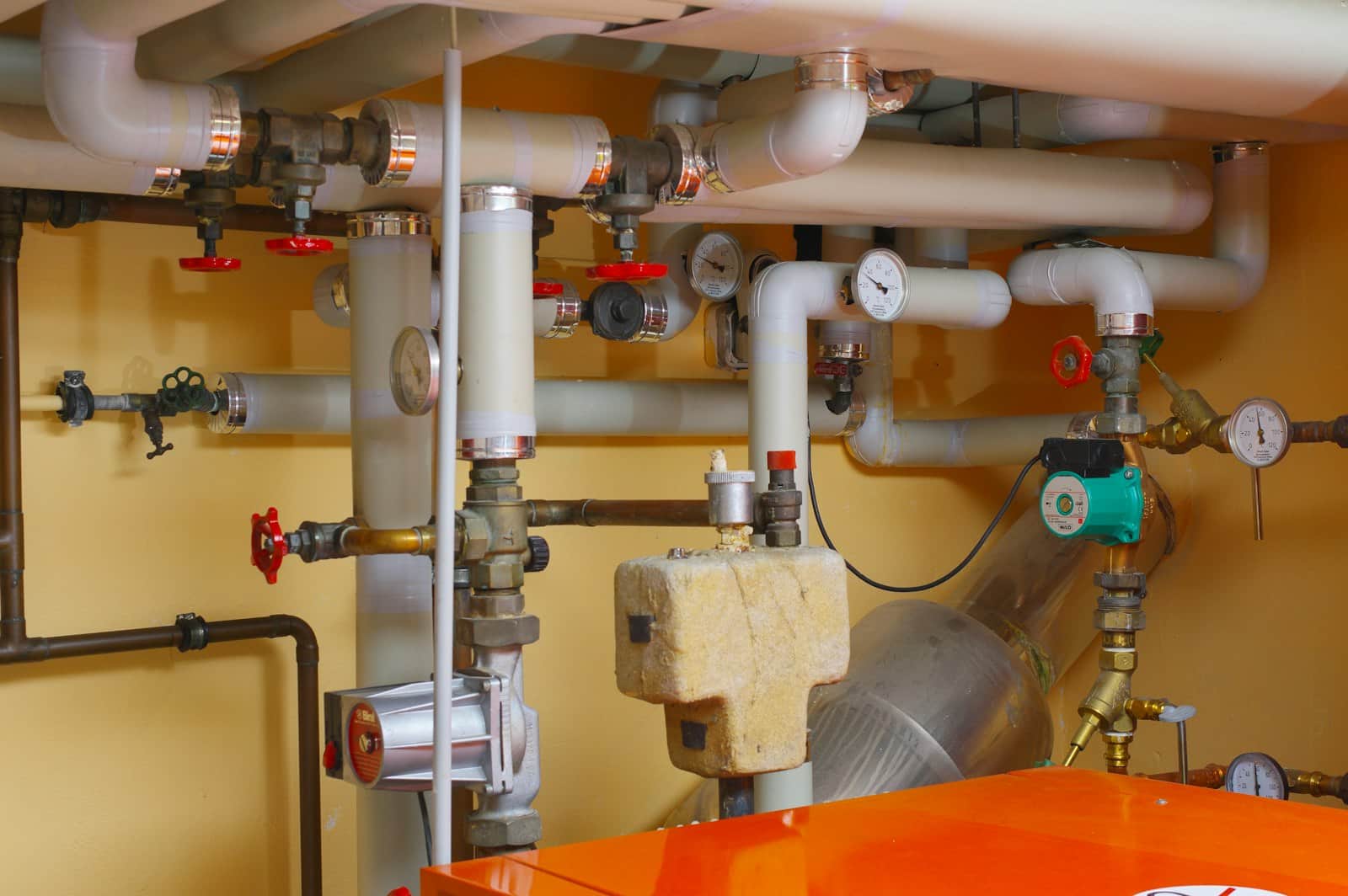
How we handle it
Southeastern Wisconsin sits on heavy clay. When the spring melt hits — or one of those July storms that drops three inches in an hour — that clay sheds water straight at your foundation, and your sump pump becomes the only thing between the water table and your drywall. It's a $300 machine protecting a $60,000 basement.
We install cast-iron primary pumps sized to your pit and your inflow, not whatever's on the shelf. Every install gets a proper check valve (that clunk-clunk-clunk you hear all night is a bad one), a sealed or vented lid done right, and a discharge line that actually carries water away from the foundation instead of recycling it back into the pit.
The upgrade we push hardest: a battery backup pump. Storms that flood basements are the same storms that knock out power — your primary pump dies at the exact moment it's needed most. A backup unit runs 6–10 hours on battery and cycles even if the primary fails on a clear day. Ask the neighbors who had one in the 2010 storms.
What's included
- Cast-iron primary sump pumps — from $850 installed
- Battery backup systems with monitored charger — from $1,150
- Check valve, lid, and discharge line corrected as part of install
- Pit cleaning and float testing on every visit
- Annual spring test-and-service program available
- Water alarm installed free with any backup system
- 1-year labor warranty; pump manufacturer warranty 3–5 years
Sump Pumps & Basement Flooding — questions we actually get
How do I know my sump pump is about to fail?
Age over 7 years, a rattle or grind when it kicks on, short-cycling every minute, or a pump that hums but doesn't move water. Lift the float: if it doesn't start immediately, don't wait for a storm to find out. Testing takes us ten minutes.
Do I need a battery backup if I have a generator?
A standby generator that auto-starts covers you. A portable generator doesn't — because you're not home, or you're asleep, or the storm hit while you were at the cabin. The battery backup works at 3 a.m. without you.
Why does my pump run constantly in spring?
High water table in clay soil — common from March through May, especially near the lake and the rivers. Constant running isn't automatically a problem, but it wears the pump. We check that the pit, pump size, and float range match your inflow so it cycles instead of sprinting.
While we're there
Emergency Plumbing
DISPATCH $89 — WAIVED WITH REPAIR
Burst pipe, sewage backup, no water, gas smell near the water heater — call and a licensed plumber picks up. N…
Drain Cleaning & Hydro Jetting
FROM $129
Slow kitchen sink, gurgling tub, floor drain backing up when the washer runs. We cable it, jet it, and show yo…
Water Heaters — Tank & Tankless
INSTALL FROM $1,650
Repairs the same day, replacements usually within 24 hours. Straight advice on tank vs. tankless — including w…
Water where it shouldn't be?
A licensed plumber answers day or night. Flat-rate quote before we start, no overtime charge — nights, weekends, holidays.